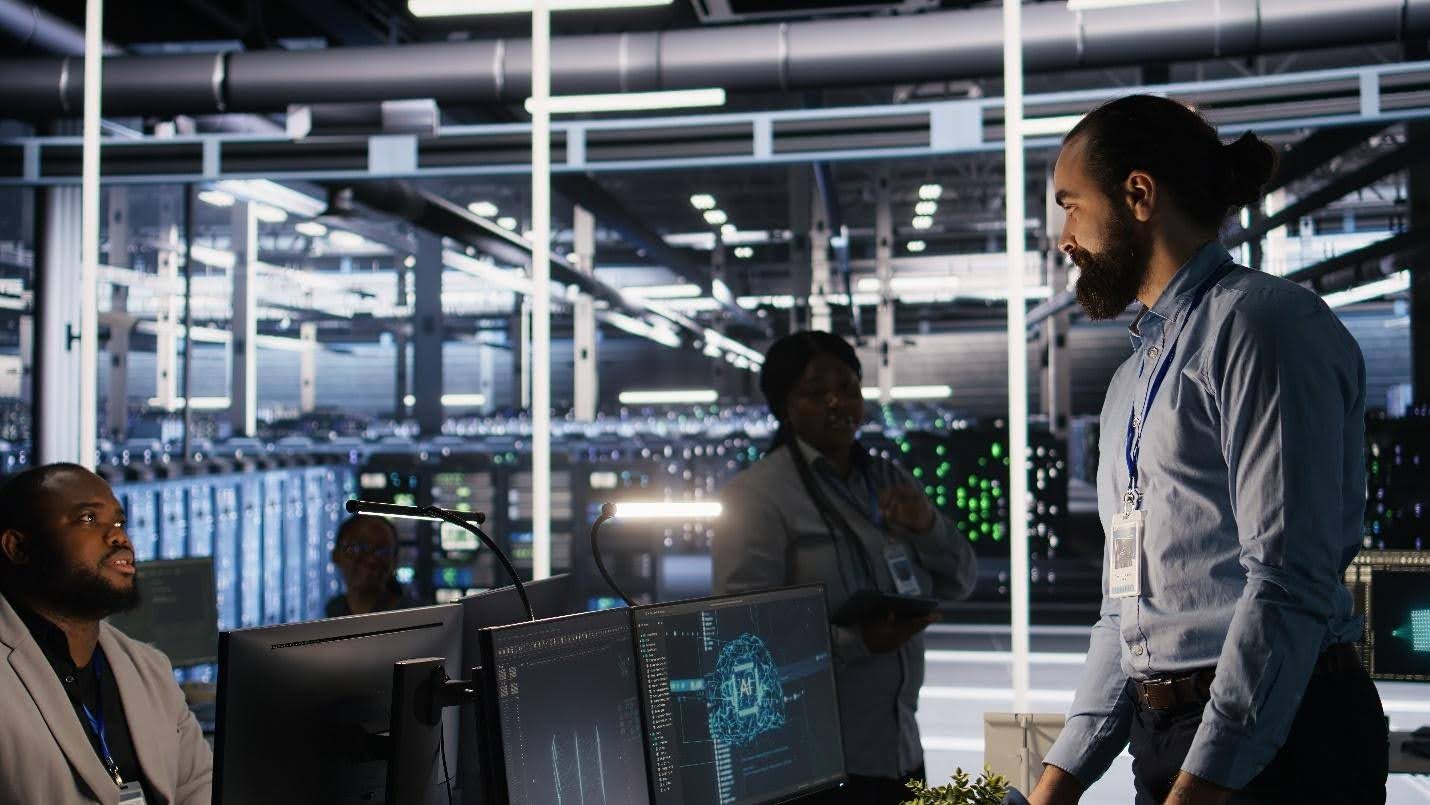
A data center is a large, physically secure facility housing thousands of networked computers, storage drives, and networking equipment. It serves as the backbone of the internet by providing the infrastructure needed to store, process, and distribute data, powering cloud services that run artificial intelligence.
Data centers are an essential part of contemporary organizations, but mission-critical data centers have taken them to the next level of excellence. Unlike standard data centers, these facilities are designed to meet the needs of curriculum operations and provide high uptime and reliability. In this guide, we will cover the core aspects of mission-critical data centers.
Why Do You Need Mission-Critical Service
A mission critical service data center is specifically designed to support essential business applications and infrastructure, ensuring uninterrupted availability. These facilities are used across industries such as finance, technology, telecommunications, oil and gas, healthcare, utilities, and government, where continuous operations are necessary.
However, downtime in mission-critical data centers can lead to significant financial losses, reputational damage, and operational disruptions. These facilities are designed to ensure peak performance and maximum uptime.
Uninterrupted Data Access
Mission-critical data centers enable uninterrupted data access for essential applications. This is crucial for maintaining productivity and avoiding interruptions that could harm customer relations or overall business stability.
These facilities are equipped with a robust system to keep operations running under various conditions, including stress and unexpected failures. By minimizing the risk of downtime, these facilities enable companies to maintain consistent service and protect their brands and customer trust.
Effective Disaster Recovery
Mission-critical data centers are designed to safeguard data through redundancy and backups, enabling faster recovery and ensuring the organization can bounce back from any incident without major data loss or theft.
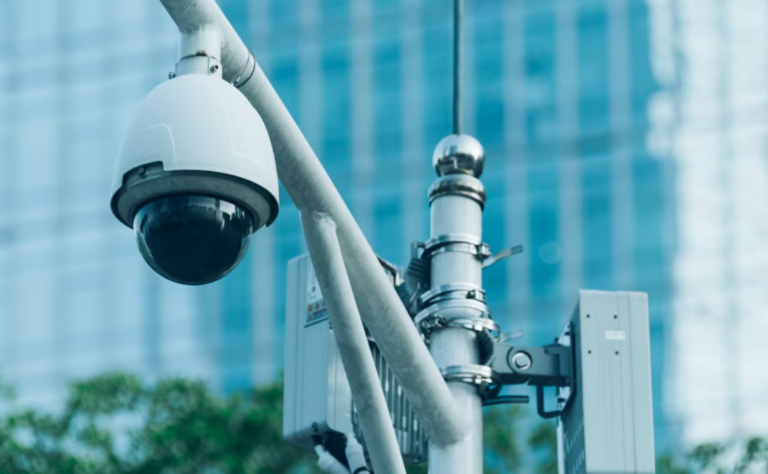
Furthermore, these facilities implement strict security measures and comply with industry-standard security regulations, such as ISO 27001, SOC 2, and HIPAA, to protect sensitive data. By implementing the highest level of cybersecurity, mission-critical data centers prevent security breaches, data loss, and other violations.
High Availability
Mission-critical data centers provide 99.99% uptime, ensuring high availability. This standardization reduces downtime to almost zero or a few minutes, enabling the organization to maintain the data needed to keep operations running.
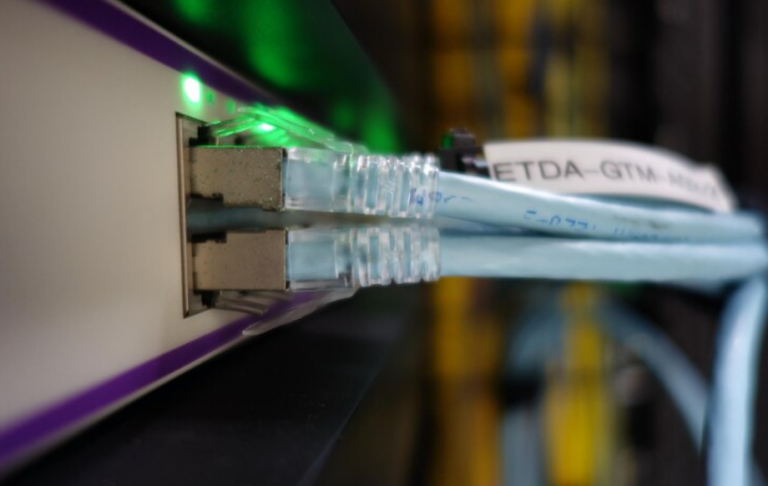
To ensure uninterrupted operations, mission-critical data centers rely on redundant systems. These systems, such as backup generators, dual power supplies, and multiple-path network connections, provide redundancy and reliability. This redundancy enables data centers to switch seamlessly to the backup system if the main system fails.
Scalability and Energy Efficiency
Mission-critical data centers are built with future requirements in mind, making them an ideal solution for meeting the growing needs of any enterprise data center. These facilities are scalable, accommodating additional equipment and capacity as required without compromising existing operations.
Despite their high demand, these facilities are increasingly focused on energy efficiency. Most of these facilities employ sustainable practices, such as using renewable energy sources to optimize cooling systems and ecological infrastructure to reduce their environmental impact.
The Bottom Line
Mission-critical data centers are essential for organizations that handle sensitive data and can’t afford any downtime. These specialized facilities provide the utmost safety, highly reliable data, uninterrupted data access, effective data recovery, and scalable, secure efficiency.