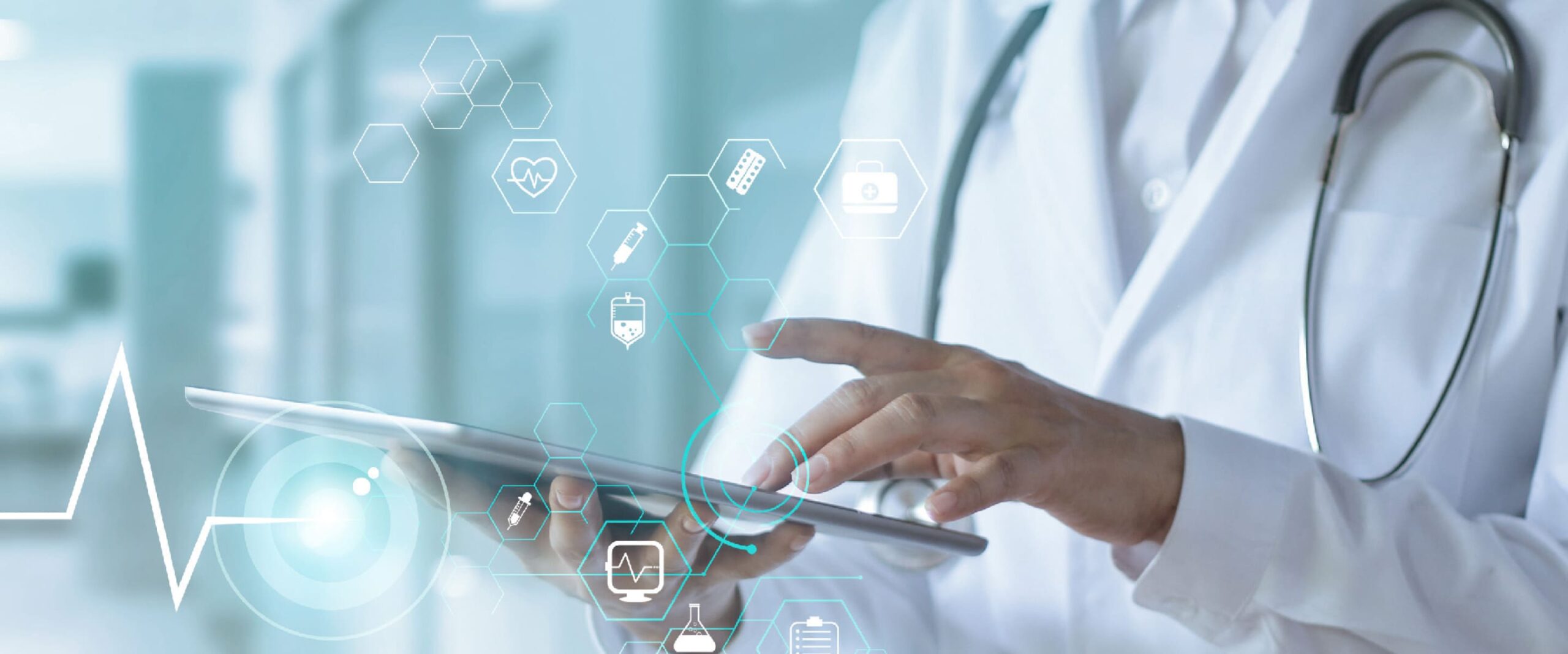
The American health care environment is changing dramatically. In 2026, the role of the doctor and patient has been enhanced by a sophisticated layer of intelligence; the “doctor-patient” interaction has been affected. These tools are not only an elective skill for healthcare administrators and students, but they are essential for being able to survive in a value-based care economy.
Technology is meeting the “Iron Triangle” of healthcare—access, quality, cost—by addressing the challenges of integration with AI and decentralization with remote monitoring. Because of the complexity of these systems, however, the novice in the field is often overwhelmed with the technical demands of modern administration.
Going from theory to practice can be difficult. For many aspiring managers, navigating the complex regulatory landscape of health informatics can be incredibly challenging, which is why they seek reliable healthcare assignment support.
The complex regulatory landscape of health informatics can be daunting for many aspiring managers, prompting them to look for trusted healthcare assignment assistance. To fill this void, numerous students opt to hire a company that provides the help they need to get a hold of the functioning of these digital ecosystems in the context of US federal regulations such as HIPAA and the HITECH Act.
1. AI-Powered Predictive Analytics
Predictive Analytics is no longer just about predictions. Current trends in 2026 for healthcare organizations in the U.S. are leveraging AI to forecast an appointment miss, or treatment non-compliance, also known as “Patient Flight.”
Administrators can use SDOH along with clinical information to act before a crisis in health care. Recent Healthcare Information and Management Systems Society (HIMSS) data shows that hospitals that adopt predictive modeling experience a 30-day readmission rate drop of 15%, which is a major factor in reducing reimbursement by CMS (Centers for Medicare & Medicaid Services).
Decentralized Remote Patient Monitoring (RPM)
The future hospital is home. Continuous glucose monitoring (CGM) and other RPM devices like ECG patches can stream data into Electronic Health Records (EHR) in real-time.
It represents a change in how resources are allocated for healthcare managers. They’re managing data pipelines and cybersecurity protocols, rather than managing beds. The U.S. RPM market is expected to grow to $76 billion by 2027, as the “aging in place” preference of the aging Baby Boomer population drives growth.
Interoperability and Security with Blockchain
Interoperability is among the biggest challenges in the U.S. healthcare system. Now, with the power of blockchain, different hospital systems can communicate and share patient information without compromising privacy and security.
This technology removes the “data silo” problem, so that a patient’s medical history can be instantly accessed from a specialist in New York to a primary care physician in California. It also acts as a major enabler in the pharmaceutical supply chain integrity and helps ward off the entry of counterfeit drugs.
Digital Twins in Clinical Operations
A virtual model of a physical system, in this case, the entire workflow of a hospital, is called a “Digital Twin”. These are used by administrators to run “what if?” scenarios:
So what if we add an extra 10% ER beds?
So what happens if there’s a new pandemic strain that comes to the tri-state area?
These simulations allow managers to manage their staffing levels and reduce patient waiting times without the need for trial and error, thereby picking up on what works best in real-time.
Ambient Clinical Intelligence (ACI)
The top crisis in the U.S. healthcare administration is burnout. Voice-to-text AI enables ACI to “listen” to doctor-patient interactions and create clinical notes. This cuts down on “pauma time,” which is the number of hours doctors spend on paperwork after work. This cuts down on admin time, letting care managers concentrate on patient-focused outcomes instead of paperwork.
The Academic Learning Curve
These tools are the “New Normal” for students already in the healthcare administration (MHA) or public health (MPH) program. The curriculum is evolving very quickly from manual policy review to data-driven leadership. With the important stakes at stake, students are under pressure to write a high-quality research paper about these subjects. Under such circumstances, it can be helpful for students to purchase a college paper from professionals who are knowledgeable about the American healthcare structure and can offer an academic framework to comprehend these intricate ideas.
Key Takeaways
- Data is the New Currency: Future healthcare managers need to have data analytics as second nature as they do clinical policies.
- Move to Proactive Care: Digital is changing the paradigm from disease management to health management.
- Security is Non-Negotiable: As everything gets connected, security becomes an issue, and patient safety is at stake.
Under the current US reimbursement environment, hospitals must remain profitable, and tools such as ACI and Digital Twins are vital for achieving that.
FAQ
Q: AI has a positive impact on patient safety in hospitals within the United States as follows:
A: AI can mitigate human error by cross-referencing prescriptions with patient history to identify potential drug interactions and by alerting to early signs of sepsis.
Q.Yes – digital tools are increasing health care costs.
A: Although the upfront cost is significant, digital solutions save on resource consumption, administrative labor savings, and prevent readmissions over time.
Q: The answer is yes, HIPAA does indeed apply to wearable health tech.
A: Yes, if the data is shared with another “covered entity” such as your physician or hospital, then it will be protected by the HIPAA regulations.
Data-Driven Sources & References
The Centers for Medicare and Medicaid Services (CMS.gov) reports on Value-Based Purchasing (VBP) and readmission penalties.
The 2026 HIMSS State of the Industry report includes data on opportunities for AI adoption in North American hospitals.
The Journal of mHealth: Research on the effectiveness of Remote Patient Monitoring in chronic disease management.
Implementation of standards for Interoperability and Blockchain on HealthIT.gov.